AI Smart Hardware Case Study: How a 25-Account Matrix Generated B2B Inquiries in 3 Months
Project Background
This case involves an AI smart hardware brand expanding overseas, with a product line including wireless earbuds and AI voice microphones. The brand's core goal wasn't chasing viral consumer sales — it was reaching overseas distributors, wholesalers, and potential B2B partners through a short-video account matrix, using content to generate genuine sales inquiries rather than chasing view counts for their own sake.
This kind of goal differs from the typical "sell direct to consumers" short-video playbook. The content needed to build trust as "a real factory/brand with genuine production capability," while reaching B2B users likely to actually message asking for pricing — not just casual consumers scrolling past.
The Matrix: 25 Accounts Across Five Platforms
The account matrix was configured as 25 accounts spanning TikTok, YouTube, Facebook, Instagram, and X — 5 accounts per platform. This scale corresponds to our Standard service tier, suited to brands at the validation stage who want to test whether the overseas account matrix approach works with a relatively controlled budget.
Launching across all five platforms simultaneously, rather than concentrating on one, reflected a key consideration: it's hard to predict in advance which platform B2B inquiries will actually come from. User composition and content consumption habits differ by platform — a meaningful share of Facebook and Instagram users are SME owners or traders with real purchasing authority, and this audience is more likely to directly message for a quote after seeing persuasive product content, unlike purely consumer audiences who mostly scroll past.
Content Strategy: Building Trust With Real Production Footage, Not Polished Sales Visuals
The core content strategy for this project was heavy use of genuine factory production-line footage — PCB soldering, earbud assembly, motherboard voltage testing, packaging and shipping — rather than the typical polished product shots or scripted sales pitches.
The logic behind this choice: a B2B buyer deciding whether to reach out to a supplier relies heavily on the premise "is this a real factory with genuine production capability." Compared to polished marketing content, genuine production footage — even if not perfectly shot or edited — carries more credibility. In practice, several pieces of production-floor footage reached the 80K-100K view range, with some exceeding 90K, proving that this "less overtly marketing" style of content actually performs in a B2B-reach context.
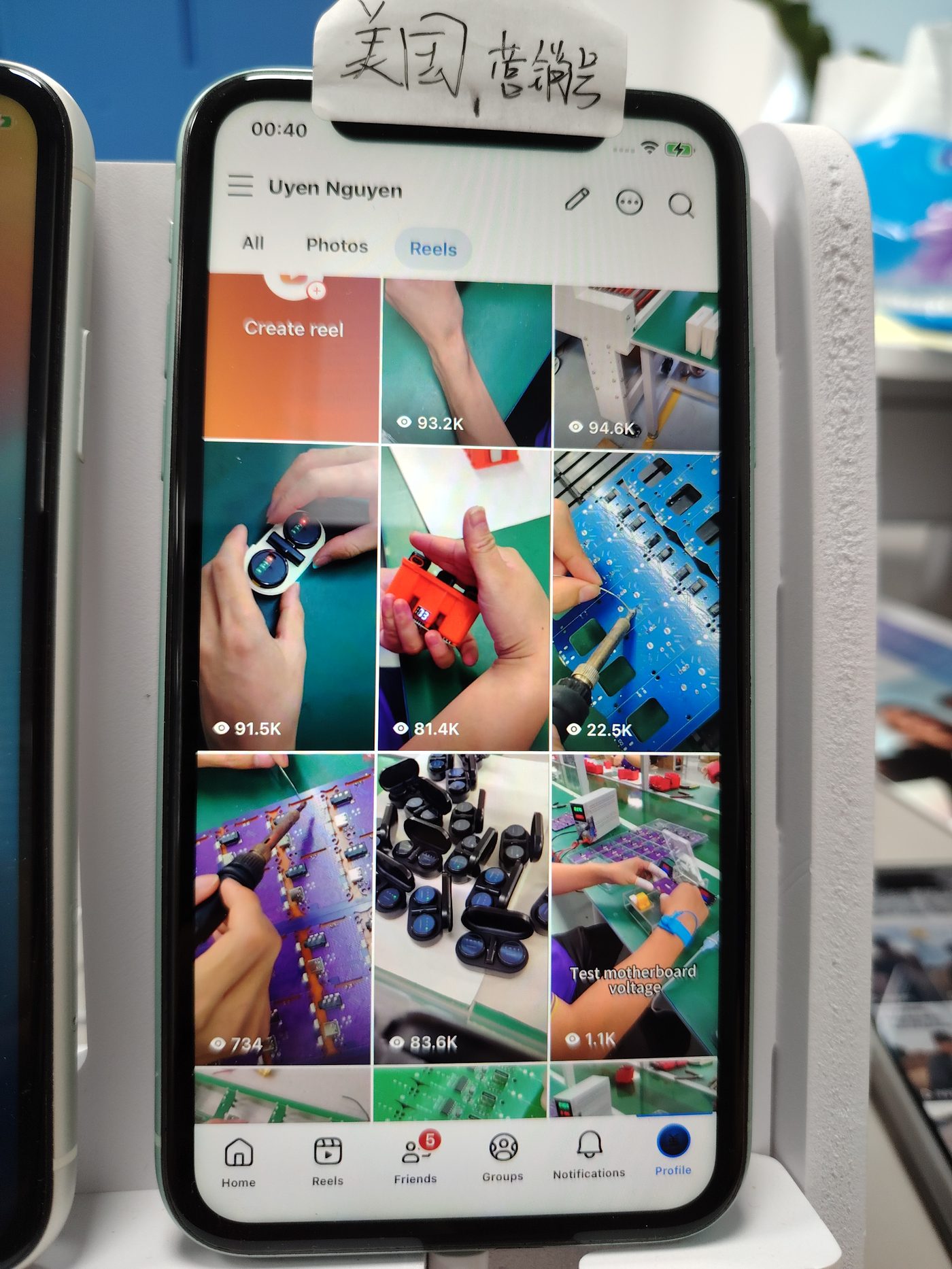
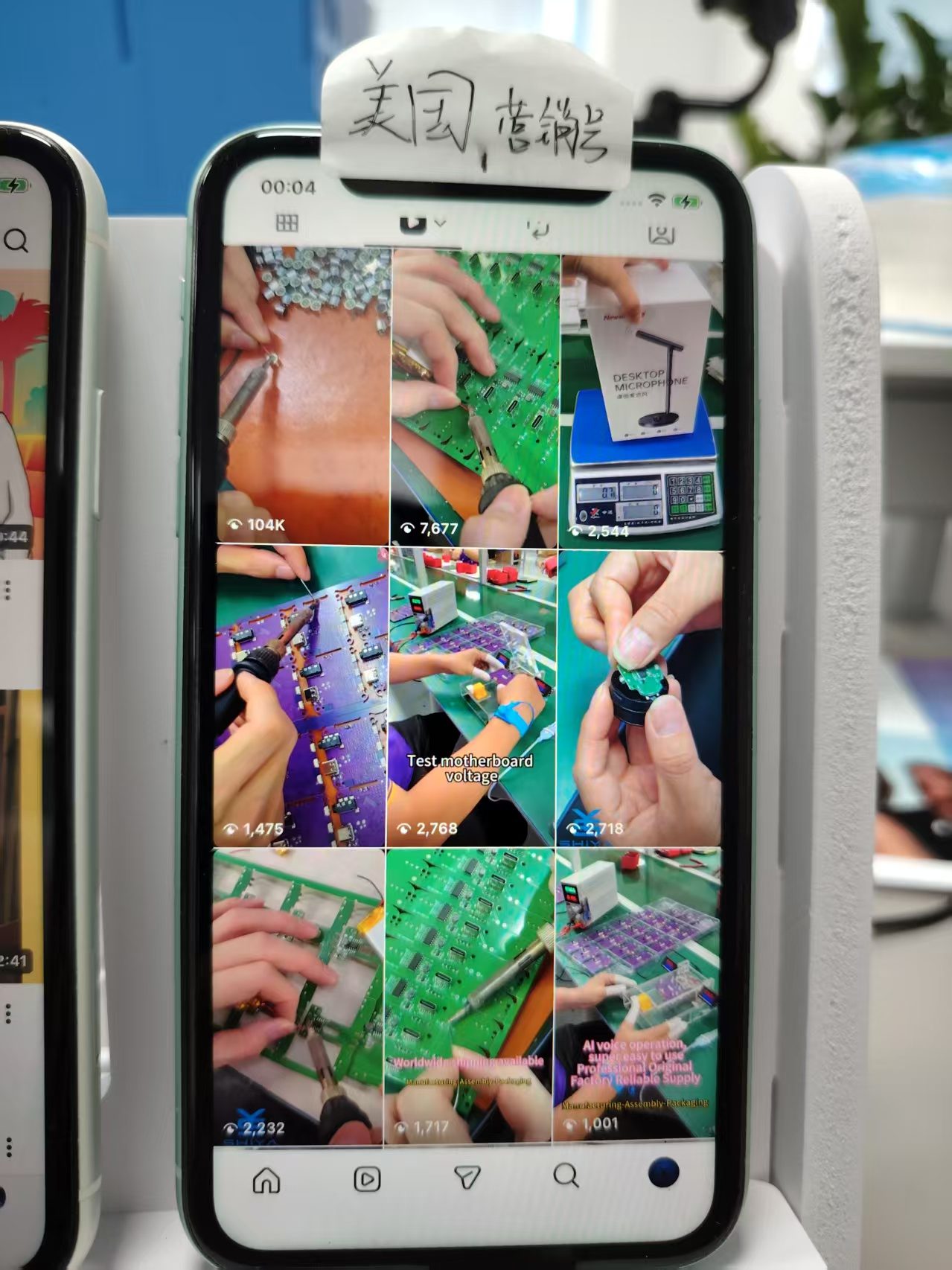
Content formats included close-ups of PCB soldering, the earbud assembly process, finished-product testing, and displays with clear product information — with account bios clearly stating the business scope, making it easy for interested users to judge quickly whether this is the type of supplier they're looking for.
Three-Month Results
- Account scale: 25 accounts across 5 platforms, 5 per platform
- Engagement period: 3 months
- Highest single-video view count: approximately 200K
- Videos in the 100K+ view range: 30+, concentrated mainly on Facebook and Instagram
- Total B2B inquiries: 50-60 accumulated over three months
- Deals closed: 6
- Total precise followers: 3,000+
A few points in this data are worth unpacking. The "30+ videos over 100K views" concentrated on Facebook and Instagram, not TikTok — which doesn't entirely match the common assumption that TikTok typically generates the easiest reach. This ties to the target audience: the age range and platform habits of B2B decision-makers differ from TikTok's typical broad entertainment audience. In this project, Facebook and Instagram actually captured more precisely-targeted B2B traffic. This echoes the logic in our earlier "Building an Account Matrix" article — one value of a multi-platform matrix is that you don't need to bet on one platform working in advance; let real data decide.
A total follower count of 3,000+ is modest relative to the view numbers, but that fits the project's actual goal — rather than chasing broad follower scale, the matrix prioritized whether the followers accumulated were genuinely precise B2B prospects. 50-60 inquiries and 6 closed deals against a 3,000+ precise-follower base indicates this audience's precision hit the mark.
Reflection: What This Case Demonstrates
An account matrix's value isn't only "spreading risk" — it also spreads platform bets. Had this project run on TikTok alone, it likely would have missed the 30+ high-performing pieces on Facebook and Instagram, and B2B inquiry volume would probably have taken a real hit.
Content authenticity matters more in B2B contexts than in pure consumer contexts. Consumer purchase decisions lean more on emotion and scenario immersion; B2B purchasing decisions lean more on "is this supplier legitimate" trust judgments — genuine production content directly serves that trust-building need.
The conversion rate from inquiries to closed deals is the key indicator of whether content strategy is precisely targeted. 50-60 inquiries against 6 closed deals is a reasonable range for a B2B lead-gen context, but it also underscores that inquiry handling downstream (response speed, quote professionalism) matters just as much — the account matrix's job is bringing the right people to message you; closing them depends on execution after that.
Frequently Asked Questions
Does this B2B inquiry model work for every hardware category? It works well for hardware categories with real production scale that want to reach distributors, wholesalers, or traders. If the goal is purely consumer retail acquisition, the content strategy needs to shift accordingly (more usage-scenario content, less production-floor footage).
Is a 3-month timeline a reasonable ROI window? It depends on order value and long-term partnership value. B2B inquiries typically come with longer decision cycles and higher order values — the real business value behind 6 closed deals often needs to be assessed alongside subsequent repeat business and long-term relationships, not just the number of initial deals.
Final Thoughts
The core lesson from this case: in a B2B lead-gen context, account matrix content strategy needs to be designed around building trust, not manufacturing impulse purchases — authenticity matters more than polish. If your category also needs to reach overseas B2B customers through short-video, reach out to Dameng Global — we can offer specific matrix and content strategy guidance based on your product.